
Meta Ads for Dermatology Clinics: Cosmetic vs Medical Campaign Structures
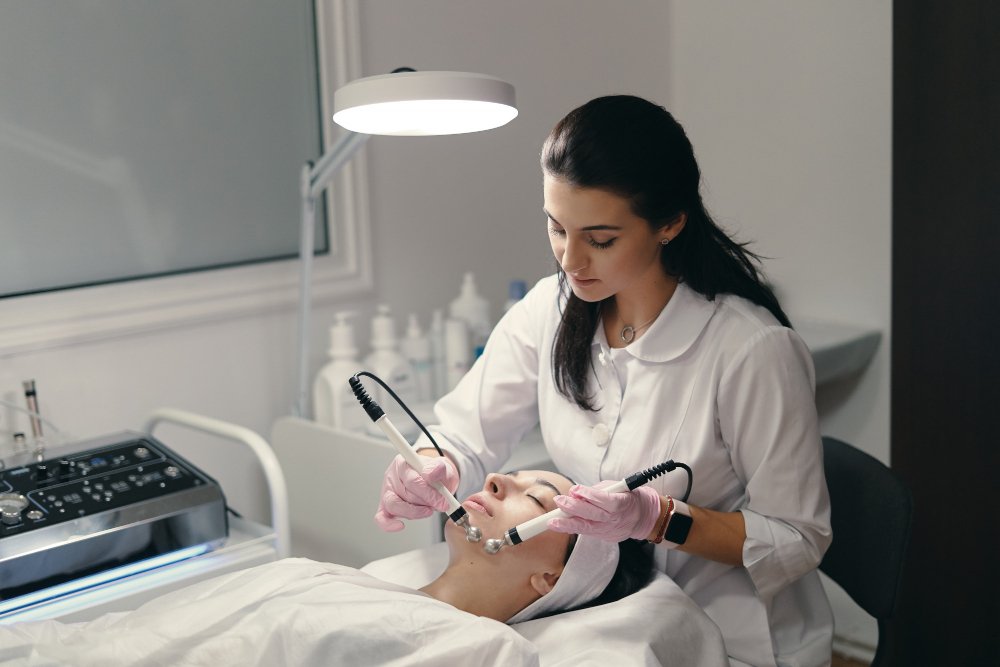
Running Meta Ads for dermatology clinics looks simple on the surface. You show before-and-after photos, promote a limited-time offer, and wait for leads to roll in.
In reality, that’s exactly where most clinics go wrong.
Dermatology sits at a tricky intersection of healthcare compliance, patient trust, and high-intent consumer behavior. Cosmetic dermatology and medical dermatology may live under the same roof but from an advertising perspective, they are two completely different businesses.
This guide breaks down how Meta Ads for Dermatology Clinics should actually be structured, why cosmetic and medical campaigns must be separated, and how clinics can scale safely without burning ad accounts, budgets, or reputations.
Why Dermatology Clinics Struggle With Meta Ads
Dermatology ads fail for three recurring reasons.
First, clinics lump medical and cosmetic services into one campaign. Acne treatment, eczema care, Botox, fillers, and laser hair removal all get pushed through the same funnel. Meta’s algorithm gets confused, CPLs spike, and lead quality drops.
Second, clinics underestimate healthcare ad compliance. According to Meta’s 2024 Ads Transparency update, healthcare-related ads see 27–32% higher rejection rates than non-health verticals when policies aren’t followed correctly.
Third, clinics optimize for cheap leads instead of booked consultations. That’s how you end up with students, freebie hunters, and people “just browsing” instead of real patients.
Meta Ads for Dermatology Clinics don’t fail because Meta doesn’t work. They fail because the structure is wrong from day one.
Want better patients not just more leads?
Let’s build a compliant, appointment-focused Meta Ads system for your dermatology clinic.
Cosmetic vs Medical Dermatology: Why the Split Matters in Meta Advertising
When it comes to Meta Ads for Dermatology Clinics, this distinction isn’t optional it’s foundational. Clinics that ignore this separation almost always struggle with inconsistent results, rising costs, and compliance headaches.
Cosmetic dermatology is discretionary by nature. Patients are choosing treatments like Botox, fillers, laser skin rejuvenation, or PRP because they want to look or feel better. The buying decision is emotional, visual, and heavily influenced by perception. Patients respond to confidence, subtle transformations, and the credibility of the provider behind the treatment.
Medical dermatology, on the other hand, is necessity-driven. Patients dealing with acne, eczema, psoriasis, rosacea, or suspicious skin lesions are seeking answers, relief, and reassurance. Their decisions are logical and often urgent. Trust, clinical expertise, and ethical communication matter far more than aesthetics.
When clinics blend cosmetic and medical services into a single Meta Ads structure, several things break at once. Messaging becomes diluted, creatives feel inconsistent, and Meta’s learning algorithm receives mixed signals. Over time, this leads to poor optimization, lower-quality leads, and in many cases, policy violations.
A simple rule of thumb guides every high-performing strategy for Meta Ads for Dermatology Clinics:
If the motivation is want, it’s cosmetic.
If the motivation is need, it’s medical.
Everything from audience targeting and ad copy to creatives, landing pages, and follow-up flows must follow this logic to scale safely and predictably.
Just like dermatology, chiropractic advertising involves both elective care (pain relief, posture correction, wellness) and medical necessity (injury recovery, chronic pain management). Successful Chiropractic Clinics Ads also require clear service separation, compliant messaging, and appointment-focused funnels making the same Meta Ads principles in this dermatology guide directly applicable to chiropractic clinics.
Meta Ads for Cosmetic Dermatology Campaigns: Structures That Scale Predictably
Cosmetic-focused Meta Ads for Dermatology Clinics thrive on clarity, aesthetics, and emotional triggers. Patients are not buying a procedure they’re buying confidence, self-image, and trust in the provider delivering the outcome.
What’s Actually Working in 2026
Based on Meta performance benchmarks from Q4 2024 to Q1 2025 across aesthetic and dermatology accounts:
Video-first creatives now outperform static images by approximately 38% higher CTR, particularly when the provider appears on camera.
Copy that focuses on soft outcomes confidence, refreshed appearance, natural results consistently converts better than aggressive or sales-heavy claims.
Cost per lead typically ranges between $18–$45, depending on geography, service type, and clinic authority.
These results reinforce a critical point: cosmetic dermatology ads perform best when they feel professional, reassuring, and human not promotional.
if we look at the same industry business, Physical Therapy Clinics Ads face the same core challenge as dermatology advertising balancing clinical credibility with patient trust making structured, compliance-first Meta Ads essential for attracting the right patients, not just more leads.
Winning Campaign Structure for Cosmetic Services
High-performing Meta Ads for Dermatology Clinics separate cosmetic services into distinct, clearly defined campaign structures.
Campaign objectives should focus on Leads or Conversions, optimized for completed forms rather than link clicks. This ensures Meta learns from real intent signals, not casual engagement.
Each cosmetic service deserves its own ad set and budget allocation. Botox and fillers should never be grouped with laser treatments or PRP. This separation allows Meta to learn faster and improves lead quality.
Creatives should feature provider-led videos, behind-the-scenes clinic footage, and lifestyle visuals that reflect professionalism and confidence. Overly dramatic before-and-after imagery or exaggerated claims often backfire, both from a trust and compliance standpoint.
Landing pages must remain tightly focused on a single service. Clear pricing ranges build transparency, while consultation-based calls to action consistently outperform discount-driven offers in cosmetic dermatology funnels.
Many of the same principles that make ads for veterinary clinics effective trust-building, education-led messaging, and long-term patient relationships—also apply to dermatology practices, where decisions are rarely impulsive and credibility matters more than quick offers.
As one US-based aesthetic growth consultant put it:
“Cosmetic patients aren’t buying the treatment—they’re buying confidence and trust. If your ads feel salesy, you’ve already lost them.”
Meta Ads for Medical Dermatology Campaigns: Compliance-First by Design
Medical dermatology is where most agencies struggle and where many ad accounts get restricted or banned. Running compliant Meta Ads for Dermatology Clinics in the medical space requires restraint, precision, and a deep understanding of Meta’s healthcare policies.
Not sure why your dermatology ads aren’t converting?
Get a clear, honest audit of your Meta Ads and uncover what’s holding performance back.
What Meta Allows And What It Strictly Prohibits
Meta’s healthcare advertising policies prohibit diagnosing language, fear-based messaging, and personal attribute targeting. Ads cannot imply that a specific user has a medical condition, nor can they pressure users through anxiety or urgency-based fear tactics.
This means medical dermatology ads must educate, not diagnose. The goal is to inform patients that help exists and position the clinic as a credible, ethical option.
Just like meta ads for barbershops & salons rely on visual transformations and trust-building before driving bookings, dermatology clinics must structure campaigns differently for cosmetic treatments versus medical services to attract the right type of patient at the right stage of awareness.
A Safer, Higher-Converting Medical Campaign Framework
For medical-focused Meta Ads for Dermatology Clinics, campaign objectives should still begin with lead generation but success is measured further down the funnel. Leads should flow directly into a CRM, followed by structured appointment confirmation and follow-up.
Ad messaging should focus on symptom education, common conditions treated, and the clinic’s medical credentials. Highlighting insurance acceptance, board certifications, and years of experience builds trust without violating policy.
If you want results that actually convert, the same principles behind meta ads for gyms & personal trainers apply to dermatology clinics structured offers, qualified leads, and follow-ups turn interest into booked appointments every time.
Creative formats that perform best include doctor talking-head videos, clinic walkthroughs, and informational carousels outlining conditions treated. These formats feel professional, compliant, and reassuring.
Landing pages must include HIPAA-safe forms, clear disclaimers, and strong trust signals such as reviews, certifications, and clinician bios. While medical dermatology CPLs typically range from $35–$90, completed appointment rates are often significantly higher when proper follow-up systems are in place.
Real Case Studies: What’s Working for Meta Ads for Dermatology Clinics
Real-world performance data consistently proves the importance of structural separation.
Case Study #1: US Dermatology Clinic
A US-based dermatology clinic running cosmetic-focused campaigns for Botox and fillers invested $9,800 per month and achieved a $26 CPL. After splitting Botox and fillers into separate ad sets and introducing video testimonials, booked consultations increased by 62% within 45 days.
Case Study #2: UK Dermatology Practice
In the UK, a medical dermatology practice specializing in adult acne invested £4,200 per month. By removing generic interest targeting and focusing on local intent signals, the clinic reduced no-show rates from 34% to 17% while improving lead quality.
Case Study #3: Multi-location Dermatology Group
A multi-location dermatology group offering both laser and medical services initially ran a single funnel for everything. After restructuring into distinct cosmetic and medical campaigns with separate landing pages, the group saw a 1.7x improvement in ROI and eliminated policy issues entirely.
Why Most Agencies Still Get Dermatology Ads Wrong
Many providers claim expertise in Meta Ads for Dermatology Clinics, but execution tells a different story. Generic ad agencies often use a single funnel for all services, resulting in poor lead quality. Med spa marketers frequently over-promise outcomes, triggering ad disapprovals. Freelancers may lack healthcare compliance knowledge altogether, putting accounts at risk. Volume lead sellers chase cheap CPLs, overwhelming front desks with low-intent inquiries.
What clinics should look for instead is healthcare-specific Meta experience, CRM and follow-up integration, and appointment-based optimization rather than CPL obsession.
Many of the same principles discussed in Meta Ads for Dermatology Clinics apply directly to Med Spas Ads especially the need to separate cosmetic, elective treatments from medical services. Just like dermatology clinics, med spas perform best on Meta when campaigns are structured around patient intent, visual trust signals, and consultation-focused funnels rather than discount-driven promotions.
Ready to scale cosmetic and medical dermatology ads without risking your ad account?
Talk to Growth Mentor Media and grow with confidence.
The Growth Mentor Media Framework for Dermatology Ads
At Growth Mentor Media, we don’t treat ad budgets like disposable spend. We treat them like credit something that must be deployed responsibly and paid back with measurable results.
Our approach to Meta Ads for Dermatology Clinics starts with risk-first strategy. Compliance is locked before performance, with no shortcuts. Cosmetic and medical services are always separated into different funnels, KPIs, and messaging frameworks.
We optimize for patients who actually show up, not just form submissions. Front desk capacity is aligned before scaling spend, and reporting remains transparent at every stage. No vanity metrics. No black-box dashboards.
That’s how we deliver on-time, trustworthy growth without putting clinics or their ad accounts at risk.
Advanced Optimization Tactics Most Clinics Miss
Many clinics overlook small optimizations that compound results over time. Local radius stacking consistently outperforms broad city targeting. Video viewers should be retargeted differently for cosmetic and medical services. SMS confirmation flows dramatically reduce no-shows. Excluding low-intent age brackets improves cosmetic lead quality. Provider-led creatives outperform brand-only ads by nearly 29%, reinforcing the importance of human trust signals.
When executed correctly, Meta Ads for Dermatology Clinics become a predictable, scalable growth channel not a gamble.
Frequently Asked Questions
A: Yes! when campaigns are structured correctly and compliance is respected.
A: Typically $18–$45 for cosmetic, $35–$90 for medical services.
A: Yes, but ads must be educational and avoid diagnostic language.
A: Absolutely. Combining them hurts performance and increases risk.
A: Optimizing for cheap leads instead of booked appointments.
A: Limited use is allowed for cosmetic services but must follow strict guidelines.
A: Most clinics see stable performance within 30–45 days with proper tracking.
A Smarter Way to Run Meta Ads for Dermatology Clinics
Effective Meta Ads for Dermatology Clinics come down to structure, intent, and trust. Separating cosmetic and medical services allows each campaign to speak to the right patient, improve lead quality, and stay compliant with Meta’s policies.
At Growth Mentor Media, we treat ad budgets like credit used carefully, tracked transparently, and optimized for real appointments, not vanity metrics. With the right setup, Meta Ads for Dermatology Clinics become a predictable, scalable growth channel instead of a risk.
