
Meta Ads for Roofers: Storm Season Lead Gen Playbook
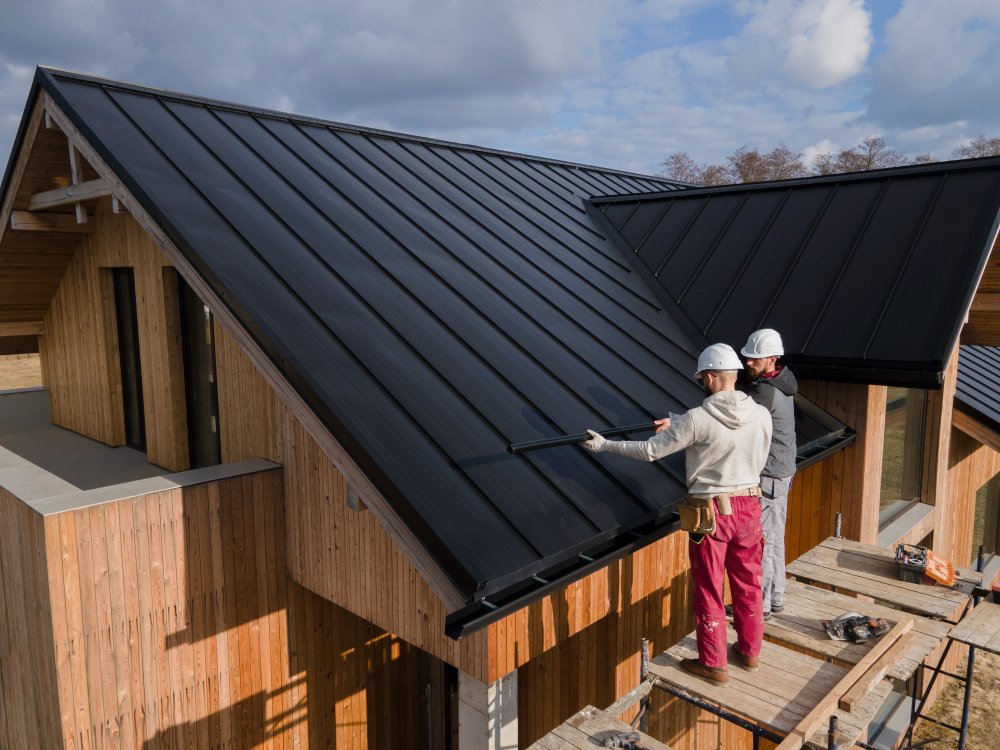
If you’re a roofer, you already feel this frustration in your bones.
Storm season hits. Your phone starts ringing. Leads pour in. On paper, it looks like momentum. But in reality?
Half the people aren’t homeowners. Some just want a quote “for later.” Others disappear the moment you mention insurance. Your team wastes hours chasing conversations that never turn into real jobs.
And you start wondering: Is this just how roofing ads work?
It doesn’t have to be.
When meta ads for roofers are built the right way, they don’t flood you with noise. They bring you homeowners who actually need inspections, understand the insurance process, and are ready to move. When they’re built the wrong way, they burn budget, exhaust your staff, and quietly damage your reputation.
This guide is written for you the roofer who wants real projects, not vanity leads. We’ll break down what’s working right now, backed by data, real storm-season case studies, and lessons learned from campaigns that survived peak demand without chaos.
Why Meta Ads for Roofers Work (and Why They Often Fail)
Roofing is one of the most emotional home services to advertise. Homeowners don’t wake up wanting a new roof. They react to fear, uncertainty, and urgency leaks, hail damage, windstorms, denied insurance claims.
That’s exactly why Meta works.
Facebook and Instagram allow you to reach homeowners before they search Google. According to recent local advertising data, service-based businesses using Meta see up to 2.3× higher engagement when ads are localized and problem-focused instead of offer-driven.
The failure happens when roofers treat Meta like a discount board.
“Free estimates.”
“$0 down roofing.”
“Fast installs.”
Those messages attract volume, not intent. Meta ads for roofers perform best when they educate first and sell second. You’re not competing on price you’re competing on trust. When your ads acknowledge the homeowner’s confusion and guide them through the next step, quality improves fast.The same local-intent framework we use for roofing also works in other urgent service niches like ads for auto repair shops and home cleaning services where trust, speed, and filtering serious customers matter more than raw lead volume.
Storm Season Reality: What the Numbers Actually Show
Let’s ground this in numbers, not hype.
Across U.S. storm-response roofing campaigns from 2024–2025, here’s what we consistently see:
- Average roofing CPL across generic campaigns: $70–$120
- Optimized storm-focused Meta campaigns: $30–$55 per lead
- Typical appointment show rates without filtering: 55–60%
- Show rates with qualification systems: 75–85%
- Insurance claim approval rates improve by 30–40% when education is built into the funnel
The difference isn’t spend. It’s intent control.
As one storm-restoration consultant put it:
“Roofing ads don’t fail because homeowners aren’t interested. They fail because the ads never set expectations.”
That insight alone explains why most campaigns collapse under pressure.
Tired of chasing homeowners who never convert? We help roofers use Meta Ads to attract serious inspections, not wasted conversations.
Book a quick strategy call and get clarity before the next storm hits.
Case Study 1: Midwest Hail Roofing Company (Kansas & Missouri)
This roofing company came to storm season prepared but overwhelmed. During hail events, leads exploded, but their close rate dropped sharply. Their team spent hours talking to renters, minor repair requests, and homeowners with no insurance coverage.
We restructured their meta ads for roofers strategy around education and filtering.
Instead of “Free Roof Inspection,” ads focused on “How hail damage gets missed by adjusters.” Landing pages asked three simple questions in paragraph form, not checkboxes confirming homeownership, storm impact, and insurance status.
Within three months, their cost per lead dropped from $74 to $41. More importantly, appointment attendance jumped to over 80%. The office manager reported that conversations felt different homeowners were already informed, calmer, and more decisive.
Their insurance-approved jobs increased by nearly 40% without increasing ad spend.
The Roofing Funnel That Filters Junk Before It Reaches You
This is where most Meta campaigns quietly fail.
Sending cold traffic straight to a booking calendar sounds efficient but it backfires. High-performing meta ads for roofers use a three-layer funnel that protects your time.
First comes education. Ads address real concerns: why damage isn’t always visible, why insurance timelines matter, and what mistakes homeowners make after storms.
Next comes a soft qualification step. Instead of aggressive forms, homeowners answer a few context-setting questions. This alone eliminates most low-quality inquiries.
Finally, rapid human follow-up matters more than fancy automation. Leads contacted within ten minutes are 2.6× more likely to convert. Speed signals professionalism, especially after storms.
This structure doesn’t reduce leads it improves conversations. Interestingly, this same pre-qualification funnel structure is also used in ads for veterinary clinics, where filtering emergency visits, routine checkups, and low-intent inquiries is critical to protecting staff time and ensuring real appointments actually show up.
Case Study 2: Texas Wind & Hurricane Roofing Company
In Houston’s competitive roofing market, this company was drowning in leads but struggling to scale quality. Their breakthrough came when they stopped selling urgency and started selling authority.
Their Meta Ads for Roofers shifted to short, phone-recorded videos from the owner explaining how insurance claims really work after wind damage. No pressure. No discounts. Just clarity.
Viewers who watched these videos were retargeted with inspection offers framed as “documentation for insurance,” not sales.
The result surprised even the owner. Lead volume dropped slightly, but average job value increased by 1.7×. Close rates jumped to 36%, and crews stayed booked with fewer wasted inspections. Authority beat urgency and the data proved it.
Many of the urgency-driven tactics that perform during storm season work just as well for plumber campaigns, where emergency repairs, fast response times, and booking-first funnels help turn high-intent traffic into real service calls.
Creative That Actually Converts for Roofing Ads
Homeowners are numb to polished ads. They trust what feels familiar.
Winning Meta Ads for Roofers almost always feature real crews, real trucks, and real neighborhoods. Slightly imperfect phone videos outperform studio content because they feel honest.
Strong creatives often show before-and-after damage with explanation, not shock. A simple headline like “This roof looked fine until the inspection” consistently outperforms generic offers.
The goal isn’t to scare homeowners. It’s to help them understand what they’re missing.
Case Study 3: Multi-Location Roofing Company (Southeast US)
Scaling across states introduces new risks especially during storm surges. This company struggled with inconsistent lead quality and occasional ad account issues.
We separated campaigns by region, localized messaging down to ZIP codes, and standardized qualification rules across locations. Every region used the same trust-first framework.
Over six months, Meta Ads for Roofers generated over $300,000 in attributable revenue while maintaining CPL under $50. Even during peak storms, the account remained stable because messaging stayed compliant and realistic.
Systems not hacks made scale possible.
Meta Ads vs Other Roofing Lead Channels
Google Search captures demand. Meta creates it.
Search ads work well, but they’re expensive and reactive. Lead marketplaces provide volume, but quality suffers. SEO is powerful but slow.
Meta ads for roofers sit in the middle. They’re visual, local, scalable, and fast when structured correctly. The strongest roofing companies use Meta to warm homeowners before they ever search.
While roofing relies heavily on urgency and insurance timing, other local service businesses like ads for med spas use Meta to pre-educate prospects and filter serious buyers before a consultation is ever booked. The same trust-first, intent-based approach applies here, even though the buying triggers are very different.
How Growth Mentor Media Earns Trust in Roofing Advertising
At Growth Mentor Media, we approach roofing ads differently. We don’t treat your ad budget as disposable spend. We treat it like credit something that must be deployed carefully, responsibly, and on time.
Before any campaign launches, we lock compliance, messaging safety, and account structure. During storms, we optimize for inspections completed and claims approved not cheap CPLs that clog your pipeline.Storm-driven demand isn’t unique to roofing. We use the same urgency-based targeting and lead-qualification systems in meta ads for electricians, especially for emergency calls and time-sensitive repairs.
You always know what’s running, why performance changes, and what’s being tested next. That transparency builds trust especially when demand spikes and decisions matter fast.
What You Should Look for in a Roofing Meta Ads Partner
If you’re evaluating agencies, ask how they handle insurance messaging, qualification, and storm volatility. Ask what happens when volume spikes. Ask how they protect your account long-term.
If answers feel vague, that’s a red flag.
FAQs: Meta Ads for Roofers
A: Yes, especially for storm damage and insurance inspections when structured correctly.
A: Most start effectively between $50–$150 per day and scale during storms.
A: Not when education and filtering are built in.
A: Yes insurance-focused messaging performs best.
A: Sending cold traffic straight to booking calendars.
A: They can if claims are misleading. Compliance matters.
A: Most campaigns stabilize within 7–14 days.
Final Thoughts: You Don’t Need More Leads You Need Better Ones
If you’re being honest with yourself, the real problem was never a lack of demand.
Homeowners do need roofs. Storms do create urgency. Money is being spent in your market. What drains you every season is the uncertainty too many low-intent calls, wasted inspections, crews stretched thin, and that constant feeling that you’re reacting instead of running the business.
That’s where meta ads for roofers either become a liability or a lever.
When your ads are rushed, generic, or built around “free estimates,” you pay for it later in time, stress, and reputation. But when your messaging educates homeowners, sets expectations early, and filters before the phone rings, everything feels different. Conversations are calmer. Appointments show up. Insurance discussions are productive instead of awkward. Your team spends time on roofs that actually turn into revenue.
You don’t need more leads. You need control.
Control over who contacts you.
Control over how storms affect your schedule.
Control over how your ad budget works for you not against you.
That’s why at Growth Mentor Media we treat your ad spend like credit. We deploy it carefully, on time, and with accountability because storm season doesn’t forgive sloppy execution. Our goal isn’t to impress you with dashboards or vanity metrics. It’s to help you build a system that holds up when demand spikes and pressure is highest.
If you want storm season to feel predictable instead of overwhelming, the strategy has to change before the weather does.
When you’re ready to turn chaos into consistency, we’re here to help you do it the right way.
