Meta Ads for Auto Repair Shops: “Brake Special” Ads That Drive Calls & Visits
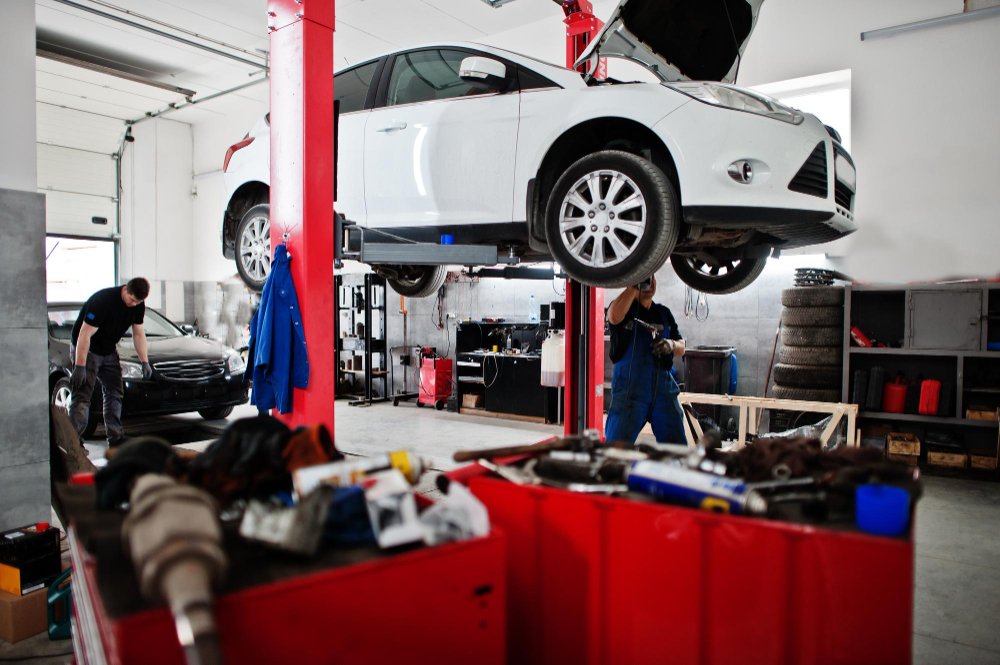
If you own or manage an auto repair shop, this probably sounds familiar.
You take pride in your work. Your technicians know what they’re doing. When customers walk through your doors, most leave satisfied and many even refer friends. Yet, despite all of that, your bays aren’t consistently full.
Instead, you see money going out on boosted Facebook posts, coupon platforms, or ads that bring in callers who only want the cheapest possible price. Those calls drain your team’s energy and rarely turn into profitable jobs.
That frustration is real and it’s not because you’re doing something wrong operationally.
Most auto repair shops don’t struggle due to lack of demand. They struggle because their advertising doesn’t reflect how people actually make repair decisions. That’s where meta ads for auto repair shops become powerful when they’re built intentionally, not randomly boosted.
This guide breaks down what actually works in 2025–2026, using real performance data, detailed shop-level case studies, and the proven systems we use at Growth Mentor Media to help auto repair businesses grow without sacrificing trust, margins, or sanity.
Why Meta Ads for Auto Repair Shops Work So Well in Local Markets
Auto repair is not a logical, spreadsheet-driven purchase. It’s emotional.
When something feels off in a vehicle grinding noises, vibrations, warning lights drivers feel stress long before they feel certainty. Many don’t even know what is wrong; they just know something isn’t safe.
That’s why meta ads for auto repair shops work so well. They allow you to reach local drivers before they open Google, while still targeting them with geographic precision.
Recent automotive advertising data consistently shows that Meta’s local service ads outperform many traditional display formats. Click-through rates typically range between 1.9% and 2.7%, and call-based ads convert two to two-and-a-half times better than lead forms for automotive services. On top of that, more than 70% of drivers choose a repair shop within 8–10 miles of their home or workplace.
Meta’s real advantage isn’t just targeting it’s familiarity. Instead of competing only at the moment someone searches “brake repair near me,” you’re planting trust earlier. So when the noise starts or the brake pedal feels soft, your shop already feels known, local, and reliable.
Ready to turn Meta ads into real calls and booked jobs instead of empty clicks?
Let’s build a brake-special funnel designed for your local market.
Why “Brake Special” Ads Consistently Outperform Other Auto Repair Offers
Not all services trigger the same response on social media.
Oil changes, tire rotations, and general inspections are necessary but they don’t feel urgent. People delay them. They price-compare. They postpone.
Brakes are different. Brake-related ads tap directly into safety and fear, which shortens decision-making time. When stopping power is involved, drivers don’t casually shop around they look for reassurance and speed.
That’s why high-performing meta ads for auto repair shops often focus on brake inspections, brake noise warnings, vibration symptoms, or limited same-day safety checks. The most effective messaging emphasizes calm reassurance rather than aggressive discounting.
Instead of pushing “cheap brakes,” winning ads sound human and helpful:
- Acknowledging uncertainty
- Offering a no-pressure inspection
- Highlighting availability and safety
This approach attracts serious drivers who value trust and quality not bargain hunters who disappear after the first quote. The same urgency-driven logic applies in meta ads for veterinary clinics, where ads focused on immediate concerns like sudden limping, vomiting, or emergency checkups consistently outperform generic wellness promotions, because people act faster when safety, health, and peace of mind are on the line.
Case Study #1: Independent Auto Repair Shop – Texas (Suburban Market)
This family-owned shop had an excellent local reputation and years of word-of-mouth referrals, but new customer flow was inconsistent. Google Ads were active, but many callers never showed up or called just to price-check.
The underlying issue wasn’t traffic volume. It was intent quality.
Their ads focused heavily on price, covered a wide geographic area, and didn’t set clear expectations before the phone rang. As a result, the front desk spent time on unqualified calls.
We rebuilt their approach using meta ads for auto repair shops, centered specifically around brake inspections within a tight 7-mile radius. The ads used real shop photos, featured the lead technician, and focused on safety rather than discounts.
After 90 days, the shop saw consistent improvement. Monthly ad spend averaged $2,400, with an average cost per call of $21. More importantly, 61% of those calls turned into booked visits, and the average repair order reached $486.
The real win wasn’t more calls it was better conversations. Customers arrived already trusting the shop.
The same demand-creation model applies in other appointment-based local businesses as well. Using Meta to educate, build familiarity, and trigger intent before prospects actively search on Google, then converting that warmed attention into high-intent calls, consult bookings, and walk-ins.
Case Study #2: Multi-Bay Repair Shop – Florida (Urban Area)
This busy urban shop relied heavily on boosted Facebook posts and third-party deal platforms. While leads were cheap, quality was poor. No-shows were high, the front desk felt overwhelmed, and the shop’s brand perception slowly shifted toward “discount-first.”
The problem wasn’t demand it was positioning.
We rebuilt their system using meta ads for auto repair shops as a structured funnel rather than isolated ads. Educational video ads explained common brake warning signs. Call-only ads ran strictly during business hours. Retargeting ads highlighted Google reviews, certifications, and technician experience.
Within 60 days, walk-in traffic increased 2.1×, while no-show rates dropped from 28% to 14%. Cost per booked job stabilized around $38, and staff morale improved significantly because calls were clearer and customers arrived more informed. If this sounds familiar, it should. We see identical patterns when running meta ads for electricians, where the right offer, location targeting, and fast follow-up make the difference between wasted clicks and booked jobs.
Case Study #3: Regional Auto Service Center – United Kingdom
This regional brand faced inconsistent results across multiple locations. Some shops were fully booked, while others struggled even with the same advertising strategy.
The issue was lack of local relevance.
We launched location-specific meta ads for auto repair shops, each with custom radius targeting, local imagery, testimonials, and call ads synced to individual shop hours. This localized approach immediately improved trust and engagement.
Just like ads for roofers perform best when they focus on urgency, local trust, and problem-aware homeowners after storms, auto repair ads convert more calls when they tap into immediate pain points—like brake issues—before customers start price shopping.
The result was a 1.7× increase in ROAS, higher call-to-appointment conversion, and a noticeable drop in price-only inquiries. The takeaway was clear: local relevance beats brand size every time.
Meta Ads vs Google Ads vs Local Service Ads for Auto Repair Shops
Each advertising channel plays a different role.
Meta Ads for Auto Repair Shops excel at demand creation and familiarity. Google Search captures high-intent users actively looking for help. Local Service Ads work best for emergencies but offer limited control and flexibility.
The strongest shops don’t choose one channel they sequence them. Meta warms the audience, Google captures intent, and LSAs catch urgent cases.Med spas use the similar kind of strategy where Meta warms local audiences through education and trust signals, and Google captures intent later resulting in higher-quality leads, fewer no-shows, and better appointment conversion rates.
Common Mistakes That Hurt Meta Ad Performance
Most underperforming campaigns fail for surprisingly simple reasons. Shops boost posts instead of running structured campaigns. They target entire cities instead of realistic service radii. They send cold traffic to booking forms when calls convert better. They use stock images instead of real shop visuals. And they lack a front-desk call-handling process.
Fixing these fundamentals alone often improves results without increasing ad spend.
How Growth Mentor Media Builds Trust
At Growth Mentor Media, we treat ad budgets like credit, not gambling money.
That means setting expectations upfront, reporting on real outcomes like calls and bookings, and building systems designed specifically for auto repair operations not generic local ads.
We don’t chase cheap leads. We focus on controlled, predictable growth your team can actually handle. That’s how trust is earned on time, responsibly, and without surprises.
A Simple 3-Step Meta Ads Framework for Auto Repair Shops
First, awareness ads build recognition using local visuals and safety-focused messaging.
Second, call-based ads capture intent by promoting inspections and availability.
Finally, retargeting ads reinforce trust through reviews and credibility signals.
This structure keeps your advertising human, helpful, and sustainable.
The same call-driven approach works just as well for other urgent home services too especially campaigns for plumbing jobs, where homeowners aren’t comparing options for days; they’re looking for a trusted local plumber who can answer the phone and show up fast.
A More Honest Conclusion
You’re probably not looking for “more leads.”
You want better calls, better customers, and fewer headaches. You want advertising that respects your budget, your staff, and your reputation. Meta ads for auto repair shops work when they’re built around how your customers actually think not how agencies chase clicks.
If you’re ready to stop wasting money on boosted posts, attract serious local drivers, and build steady, controlled growth
What are you waiting for?
Book a free strategy call. No pressure. No sales games. Just clarity.
